Your autogate feels slower right after servicing, and that is the opposite of what you paid for. In Malaysia heat, a slow gate also feels like a safety risk.
This usually comes from the wrong grease turning sticky, settings tightened too much, or alignment shifting during the work. Humid air and rain splash make friction show up fast. Not imagined.
In this guide, you’ll learn why a serviced gate slows down and how to correct it safely using quick checks for grease choice, controller tuning, and misalignment on terrace houses and condo drive lanes.

Hi, I’m Ken. I write practical home guides for Malaysia—no fluff, just what works.
I hold a formal building design qualification and have spent about 20 years on job sites across hundreds of projects. My goal is simple: help you avoid costly mistakes with clear, safe steps—a quick way to decide what to do next.
1. Autogate slow after service: 5 checks
Slow after service usually means new friction or tighter tuning.
Servicing can add thick grease, shift brackets, or change force settings—then the motor works harder and speed drops. Malaysia humidity makes sticky residue hold dust. Proof.
- Switch to manual mode and feel travel resistance
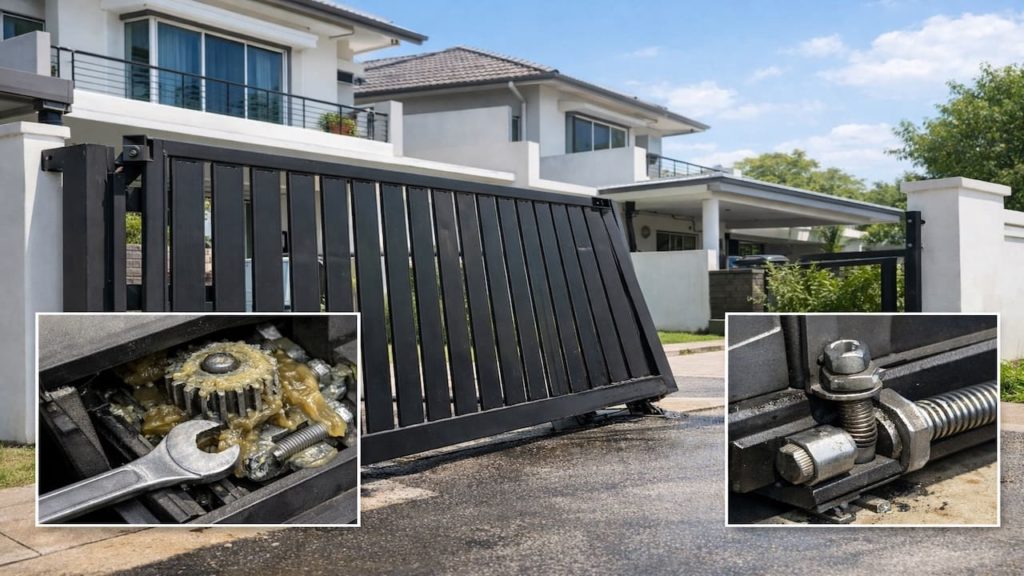
- Check arm joints for thick sticky grease film
- Listen for rubbing noise at one track section
- Watch motor current draw if display supports it
- Check gate reaches full open limit cleanly
You might think the motor suddenly got weak, but the timing matters. If it slowed right after service, the change is almost always in setup or friction—so start there. Clear.
2. Wrong grease, tight settings, & misalignment
Wrong grease and tight settings can choke a healthy system.
Some grease is fine for bearings but terrible for exposed tracks, because it grabs dust and becomes paste—Malaysia porch sand loves that. Over-tight force also hides misalignment until speed collapses. Classic.
- Wipe arm joints remove old sticky grease
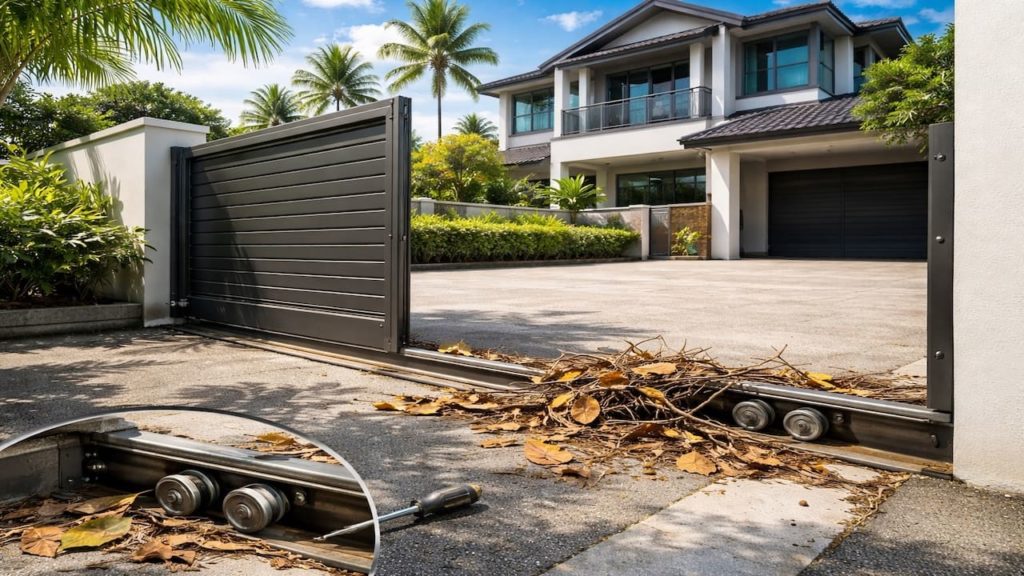
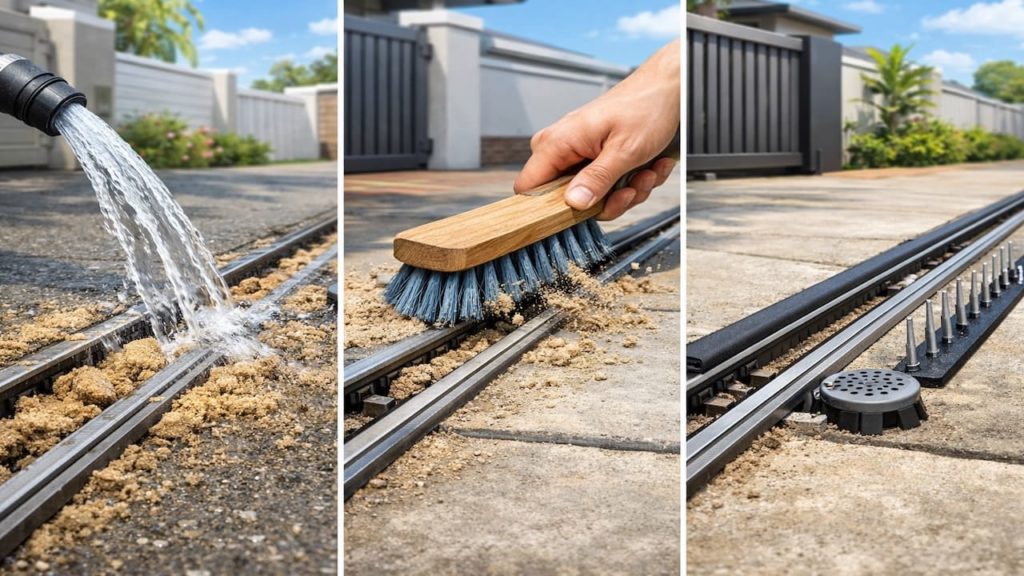
- Clean track edges remove black paste buildup
- Lower close force one step then retest
- Lower speed trim one step for smooth start
- Check roller bracket for side rubbing marks
You may feel more force is safer, but more force means more heat and more wear. Fix the friction and alignment first, then tune gently. Better.
3. Why service can make an autogate slower
Service changes can shift the load path and confuse limits.
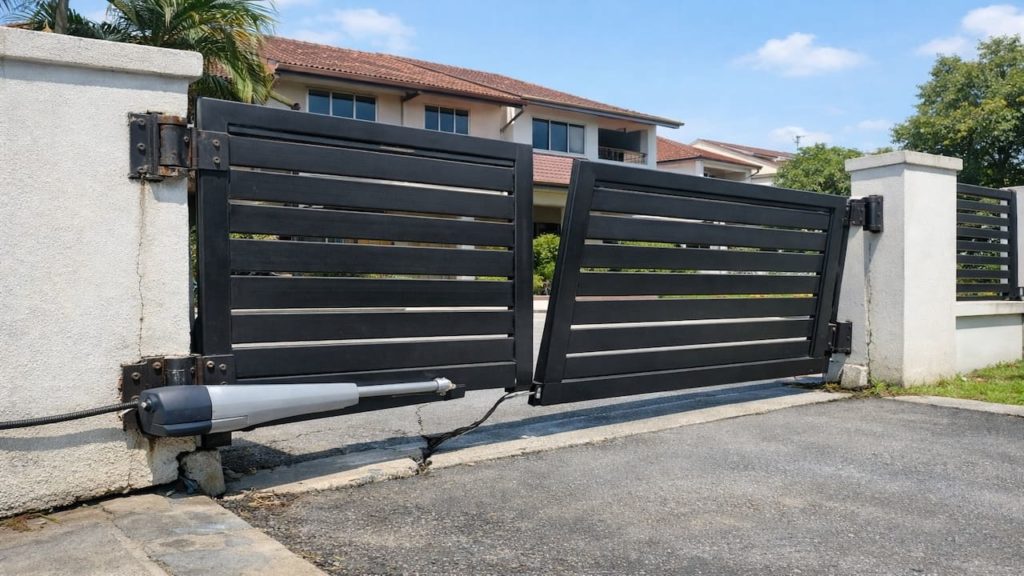
If brackets were loosened, the gate geometry can drift and create one tight spot—then the controller thinks it is hitting an obstacle. In Malaysia rain season, small rust and grit turn that spot into a hard bind. Reality.
- Measure gate gap at both ends while moving
- Inspect hinge pins for stiffness and rust
- Check rack and pinion mesh for tight point
- Inspect stopper position for premature contact point
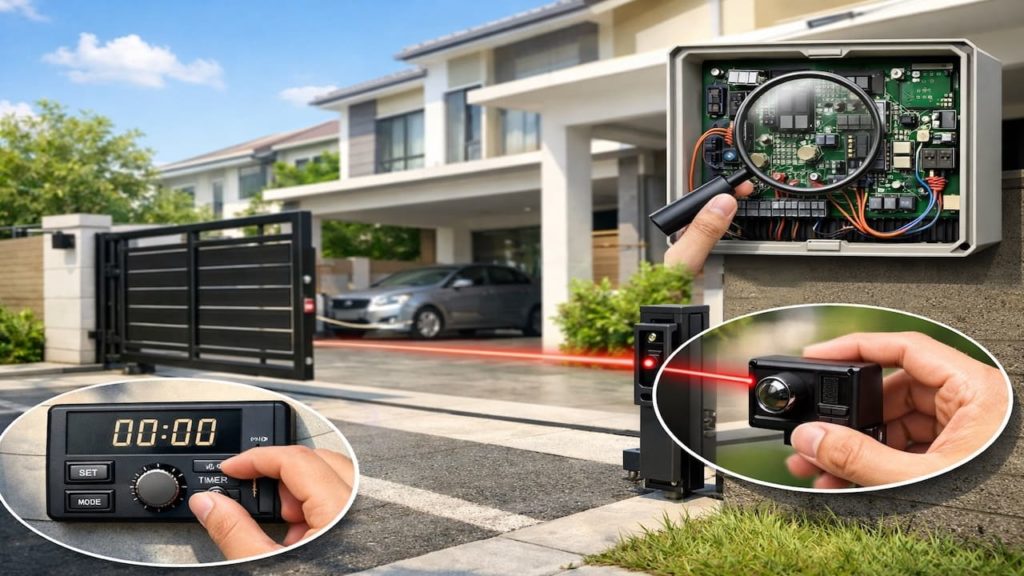
- Check control box for moisture on terminals
Some say “servicing always helps,” but not when the wrong materials and rushed adjustments are used. The system obeys physics, not intentions—so you verify each change. Done.
4. How to restore normal speed without causing damage
Restore speed by removing drag then resetting limits carefully.
Work in a safe order so you do not mask problems with higher force—Malaysia heat makes overload show up later as thermal trips. One step at a time. Discipline.
- Power off and clean moving parts thoroughly
- Use correct grease only on sealed bearings
- Align rollers so gate rolls centered smoothly
- Relearn open close limits after alignment correction
- Set force lowest that moves gate reliably
You might worry limit relearn will lock you out, but it is the clean way to restore consistent timing. If the gate moves freely, speed returns with minimal tuning—then you stop chasing symptoms. Solid.
5. FAQs
Q1. Is it normal for an autogate to be slower after service?
No, it should feel smoother, not heavier. If it slowed immediately, suspect friction, alignment, or settings changes rather than motor aging.
Q2. What grease should be used on autogates?
Grease choice depends on the part, because exposed tracks collect dust while sealed bearings need protection. In Malaysia humidity, lighter and cleaner application usually lasts longer.
Q3. Can too much grease make the gate slow?
Yes, excess grease traps sand and becomes paste that increases resistance. Clean first then lubricate only the correct points to avoid repeated slowdowns.
Q4. Should I increase force settings to fix slow movement?
Only after you confirm the gate rolls freely in manual mode. Increasing force can overheat the motor and hide misalignment until something breaks.
Q5. When should I call a technician?
If manual movement is still tight after cleaning, or you see bent brackets and twisted frames, you need alignment repair. Call quickly if the control box has moisture or burn marks.
Pro’s Tough Talk

I’ve been on site for 20+ years and handled hundreds of autogates, and slow-after-service is the one that makes people feel scammed. Malaysia heat cooks the grease, humidity glues the dust, and the gate moves like it hates you.
It’s 3 causes most of the time: they used the wrong grease, they tightened force or speed settings too much, or they nudged alignment and created a single tight spot. You didn’t do anything wrong, and not every contractor is evil, but the system is unforgiving.
Do 3 steps now: switch to manual mode and feel where it binds, wipe off the sticky paste and clean the track, then retune force down and relearn limits. Simple workflow. No drama.
Fix friction first then tune settings second. A slow gate is like riding a bicycle with the brake half on, and like walking in wet shoes all day. And if someone says “more grease solves everything,” that’s clown logic.
Two relatable moments: you complain at night because it feels slowest when you are tired, then you “test it again” and annoy the whole house. And you swear you will fix it next weekend, then rainy season laughs. Keep ignoring it and your gate will start moving on its own schedule.
Summary
If your autogate is slow after service, the most likely causes are wrong grease, tighter settings, or misalignment created during the work. Malaysia humidity and dust make these issues show up quickly.
Use a clear decision line: if manual mode feels heavy, fix friction and alignment before touching force. If manual is smooth but powered is slow, check limits, voltage drop, and controller tuning.
Clean the friction points today and retune force to the minimum, then relearn limits so the controller stops fighting the gate. Next, read our guide on uneven movement to catch binding before it turns into motor overheating.