If your porch feels like an oven by noon and a wet cave by night, your patio cover might be doing the wrong job. In Malaysia, shade is easy, but dry comfort is not.
Heat, sudden rain, and nonstop humidity can turn a covered area into trapped damp air, peeling paint, and slippery tiles. The causes range from low roof height to blocked airflow and bad runoff control. Common problem.
In this guide, you’ll learn how to shade a porch in Malaysia without trapping damp air using simple patio cover checks. You will also see what to fix first for condos and terrace houses before monsoon season hits again.

Hi, I’m Ken. I write practical home guides for Malaysia—no fluff, just what works.
I hold a formal building design qualification and have spent about 20 years on job sites across hundreds of projects. My goal is simple: help you avoid costly mistakes with clear, safe steps—a quick way to decide what to do next.
1. Landscape patio cover: 5 checks
A good patio cover blocks sun but still breathes so the porch dries fast after rain.
Malaysia sun heats slabs and walls, then evening storms splash everything, and a low tight cover slows evaporation—this is how mildew starts.
If the cover traps hot air, your porch stays sticky and furniture feels damp.
Comfort matters.
- Check eave height to keep rain off
- Add vent gap above cover for airflow
- Choose breathable polycarbonate with UV heat rating
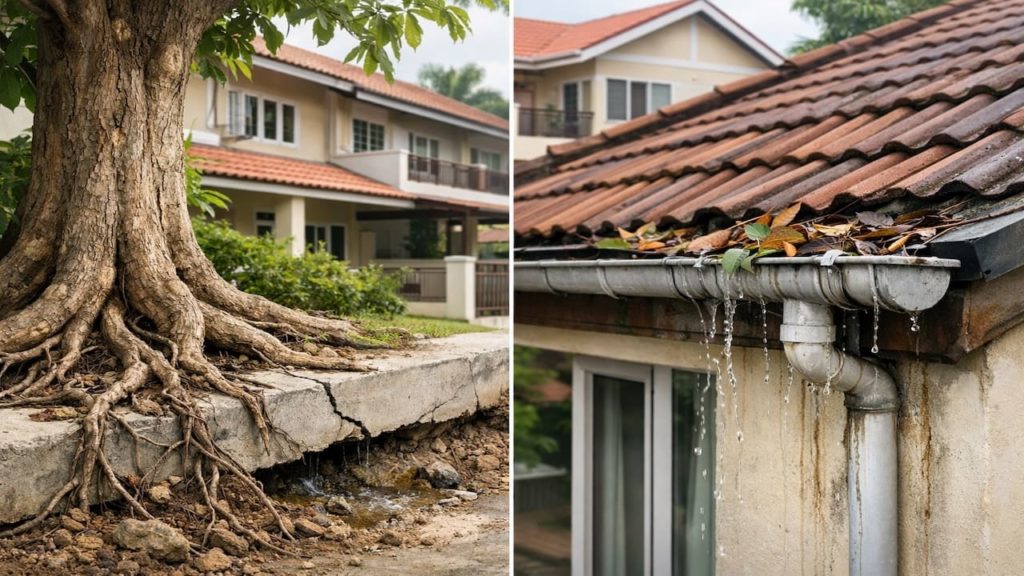
- Install gutter and downspout to move runoff
- Keep ceiling fan or wall fan under cover
Some people focus only on making it darker, but deep shade without airflow becomes a damp box. Fix airflow and runoff first, then shade becomes comfortable and surfaces stay cleaner.
2. Shade the porch without trapping damp air
Shade works best when air can escape upward instead of sitting under the roof all day.
In Malaysia, a cover that seals the top can block sun—then hold warm moisture under it, especially when plants and wet shoes add extra water.
The goal is shade plus movement, not shade plus sweat.
Dry air flow.
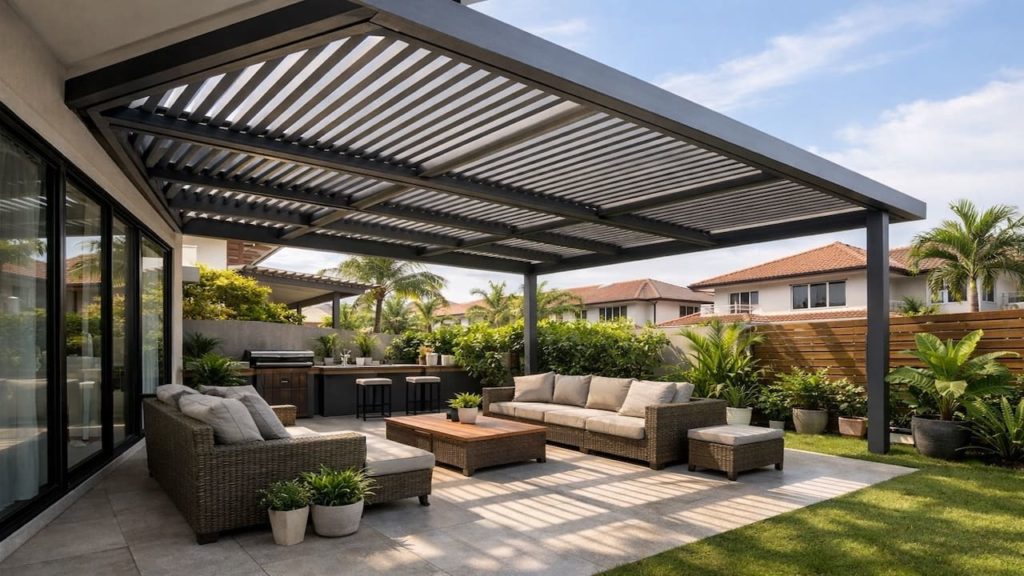
- Use louvered panels angled to vent hot air
- Leave top gap under fascia for cross ventilation
- Pick light colored roofing to reduce heat
- Keep planter line away from wall corners
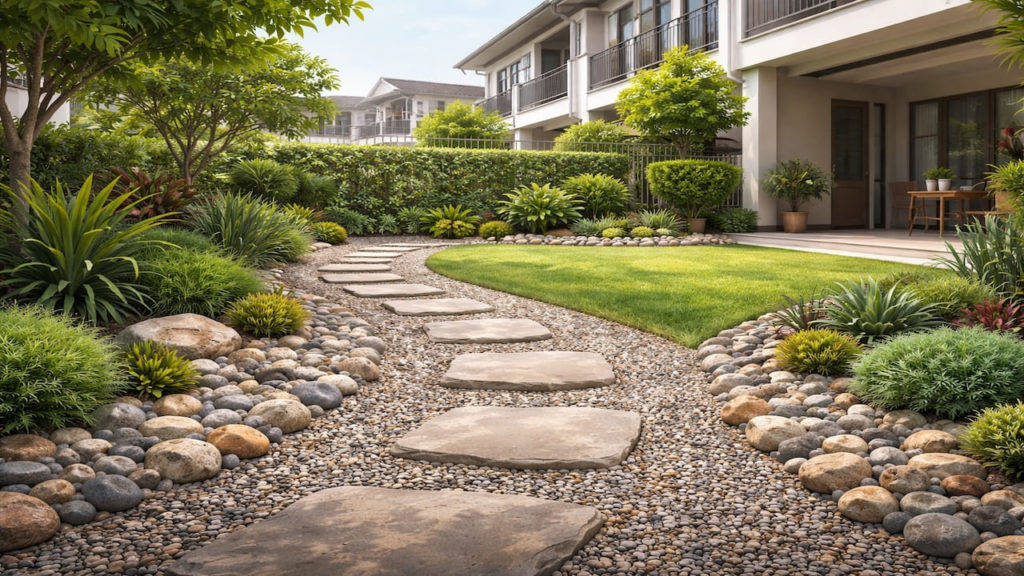
- Direct rain splash away with gravel strip
You might think any gap invites rain, but smart vent gaps sit high and do not let wind-driven rain hit the floor directly. A breathable design keeps the porch usable even after afternoon storms.
3. Why damp air builds under patio covers in Malaysia
Damp air builds when warm moisture has no exit and the slab keeps feeding humidity upward.
After rain, concrete and tiles release moisture for hours, and Malaysia humidity slows drying even more.
If the cover is low, air circulation dies, and wet corners stay wet, inviting algae and smells.
No drying.
- Check lowest roof point for heat buildup
- Measure airflow using tissue test near edges
- Look for algae stains on shaded tile lines
- Inspect wall paint blistering near the floor
- Track puddles after rain for thirty minutes
People often blame the material, but the real issue is trapped air plus slow drainage. Give moisture a way out and your cover stops acting like a lid on a steamer pot.
4. How to choose a breathable cover and keep it dry
Choose shade that vents heat and manages runoff so your porch dries between storms.
Start with the layout and wind path, then choose materials that survive UV and heavy rain.
In condos, reflected heat from glass can raise temperatures, and in terrace houses, side walls can trap air.
Plan for both.
- Install high side vents along the roof edge
- Use drip edge flashing to stop wall wetting
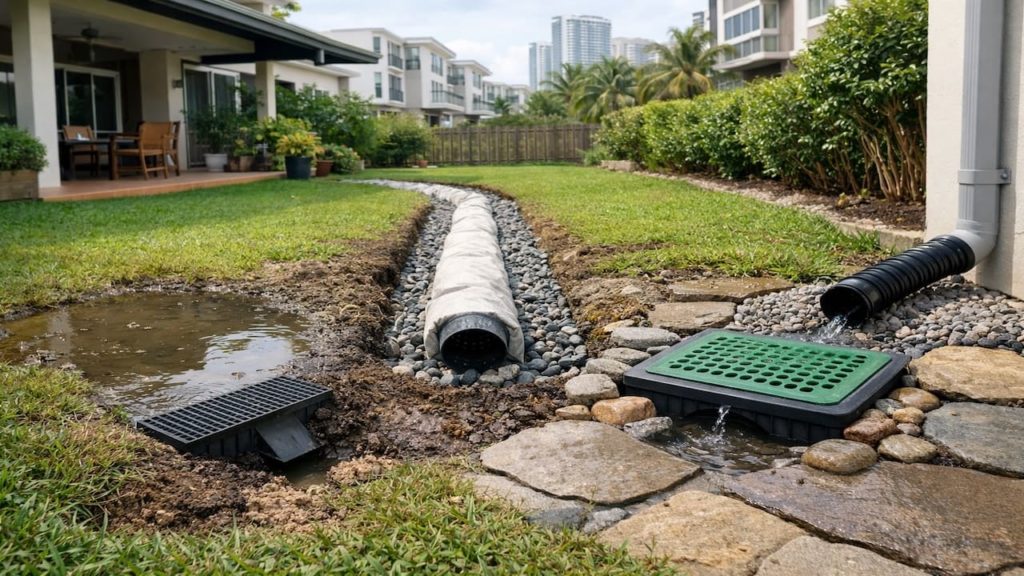
- Run downspout to drain not onto walkway
- Keep furniture on feet for faster drying
- Wash and clear gutters before rainy season
Some owners want a fully enclosed porch for privacy, but sealing the space can trap damp and create more cleaning work. Use screens and vents instead, and you get comfort without the wet smell.
5. FAQs
Q1. Is polycarbonate roofing good for Malaysia heat and rain?
It can work well if it is UV-rated and installed with ventilation and proper slope. Avoid fully sealed edges that trap hot, moist air after storms.
Q2. Will adding more plants under the cover make it cooler?
Plants can cool the feel, but they also add moisture if watering is heavy. Keep pots raised and avoid tight clusters in corners.
Q3. Should I close the sides with curtains or panels?
Only if you still keep airflow paths high and low. Blocking airflow is the fastest way to create damp shade on Malaysian porches.
Q4. What is the easiest sign my cover is trapping damp air?
If tiles stay dark and slick long after rain stops, airflow and drainage are weak. Also watch for musty smell near walls at night.
Q5. Do I need a contractor to fix porch dampness?
Not always, because many fixes are layout and maintenance steps like vents, downspouts, and clearing gutters. If water still backflows, ask management or a pro to inspect drainage paths.
Pro’s Tough Talk

Look, I’ve been on site for 20+ years and I’ve handled hundreds of jobs, and Malaysia porches teach the same lesson every rainy season. Shade is cheap, comfort is earned.
Three causes keep repeating. Low covers that choke airflow, gutters that dump water where you walk, and “sealed for privacy” designs that trap damp like a lunchbox in the sun.
Three steps, simple order. Open a high vent path, route runoff away from walls and walkways, then add airflow with a fan and keep the floor dry after rain.
Don’t blame yourself and don’t call every contractor useless, but A sealed cover in humid weather will always feel damp and that structure is brutal. It is like wearing a hoodie in a sauna, then asking why you sweat.
And yeah, everyone has that “looks like a cafe patio” dream and that “why does it smell wet again” moment. Fix the airflow or your porch will stay a cozy swamp with a roof.
Summary
A patio cover in Malaysia should shade the porch while letting heat and moisture escape, with gutters that move rain away fast. Breathable shade wins.
If the area stays damp after you add vents, improve runoff, and keep drains clear, the deciding factor is low roof design or trapped side walls that need redesign.
Do one airflow check and one runoff check today, then adjust your cover setup this week. Small ventilation and drainage fixes can make your porch feel dry again even in monsoon humidity, and your next guide here will help you tune plants and lighting too.