You searched because your exterior wall has stains, and the marks keep coming back after Malaysia rain hits your porch and side lane. It looks old fast. Annoying.
Wall stains are not only dirt. They are usually splashback from soil, overflowing gutters, or damp trapped behind paint in hot humidity. The earlier you stop the water path, the cheaper the fix. No demolition. Simple.
In this guide, you’ll learn how to stop wall stains before they spread by checking runoff, splash zones, and damp sources around Malaysian terrace houses and condo walkways.

Hi, I’m Ken. I write practical home guides for Malaysia—no fluff, just what works.
I hold a formal building design qualification and have spent about 20 years on job sites across hundreds of projects. My goal is simple: help you avoid costly mistakes with clear, safe steps—a quick way to decide what to do next.
1. Landscape wall stains: 5 checks
Track the water path before you clean anything because stains return when Malaysia rain keeps hitting the same spots.
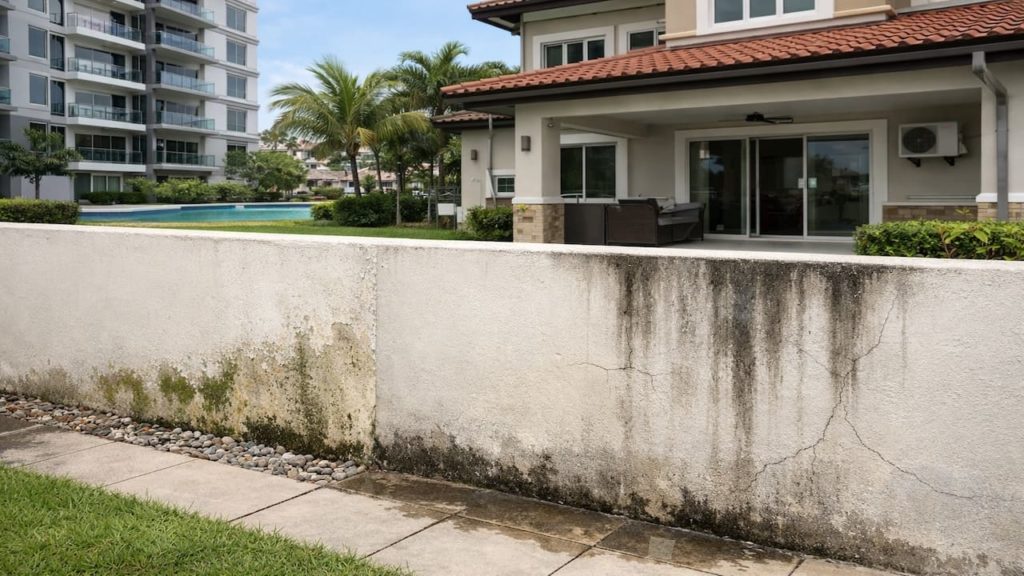
Do your checks right after a storm—fresh streaks show the true direction and height of splash. Look for tide lines, dark corners, and paint bubbles near the base. Moisture wins.
- Observe stain height on wall after rainfall
- Check downpipe outlet splash zone near tiles
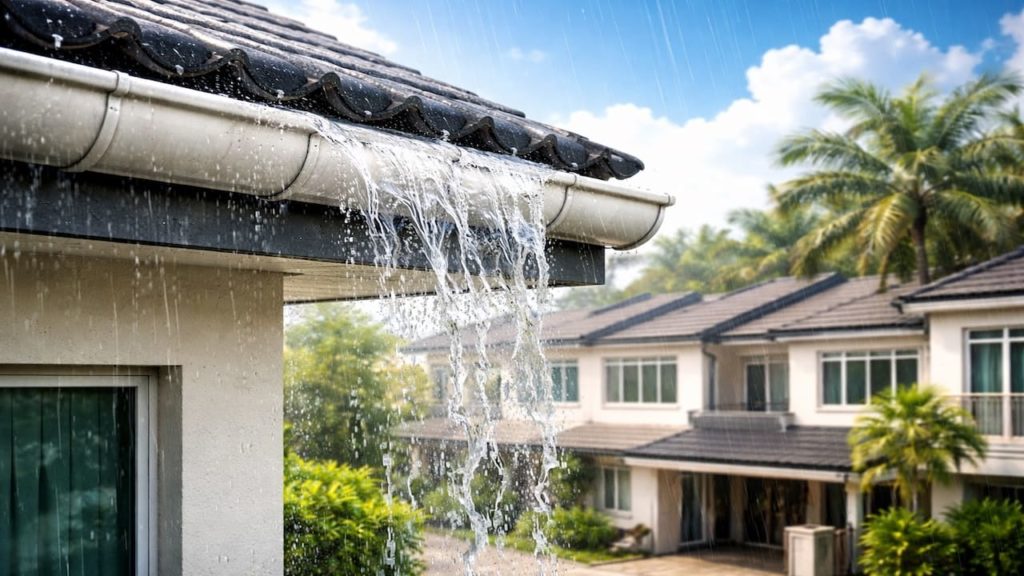
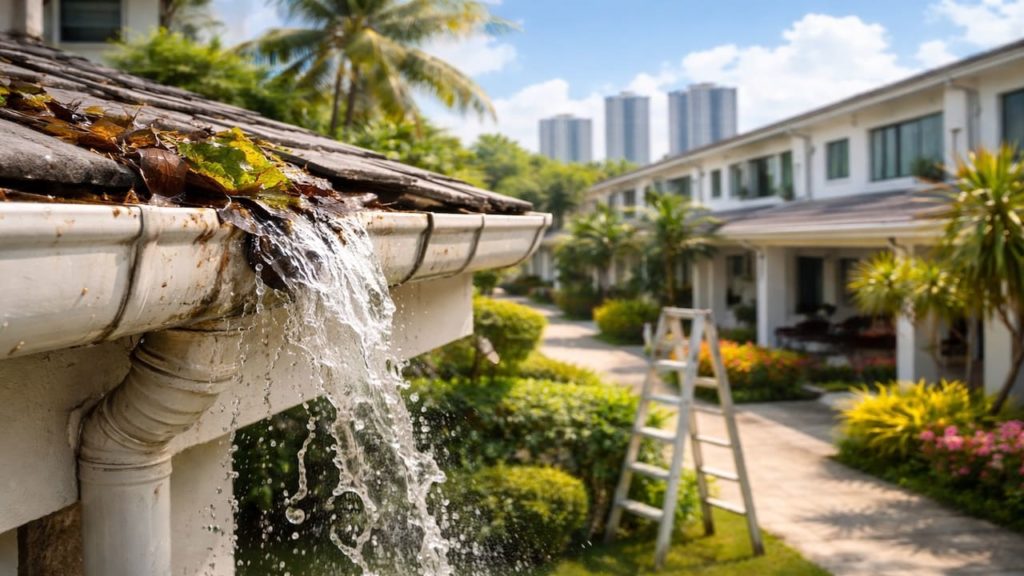
- Inspect gutter overflow marks under roof edge
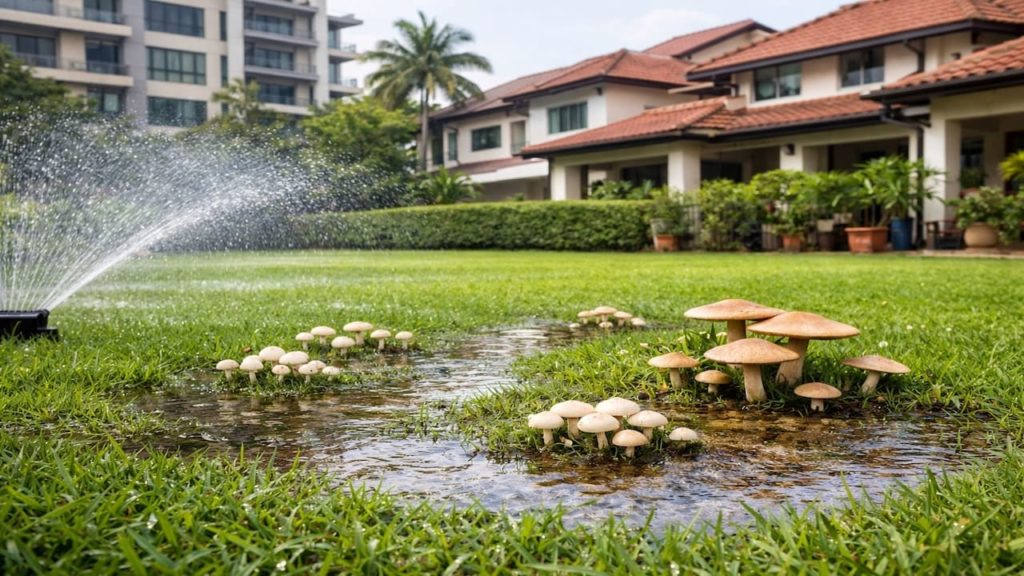
- Test soil splash from beds during hose spray
- Look for damp smell near interior wall base
Some people say just pressure wash and repaint, but without fixing the water source the marks come back, so confirm the path and then act. Clean later.
2. Stop splashback and damp marks early
Stop splashback at the base line first because the first 300 mm of wall takes the worst rain impact.
Malaysia downpours hit like a bucket and bounce off hard surfaces—tiles, concrete, and compacted soil throw dirty water upward. Add humidity and the wall stays wet longer. Slow drying.
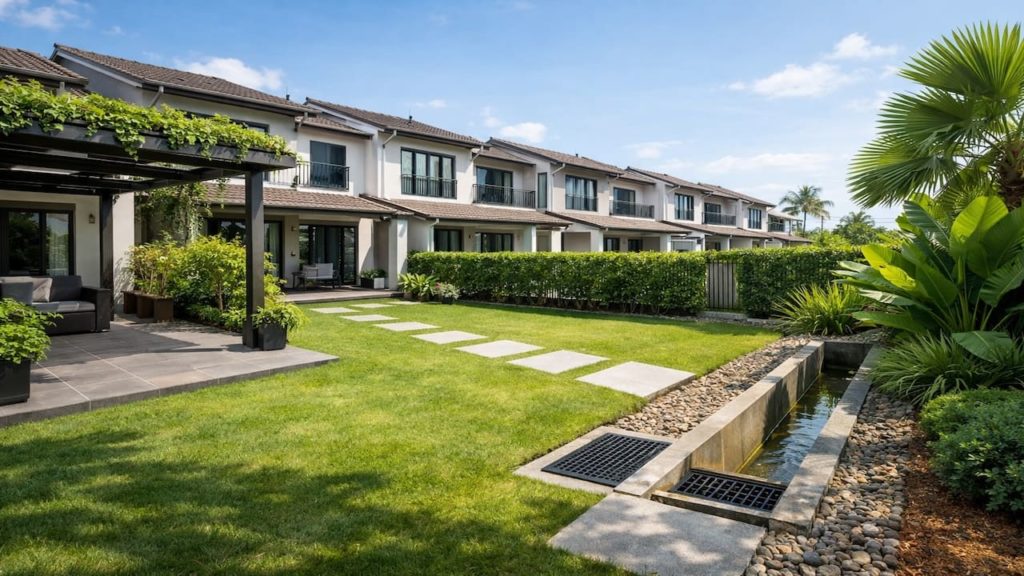
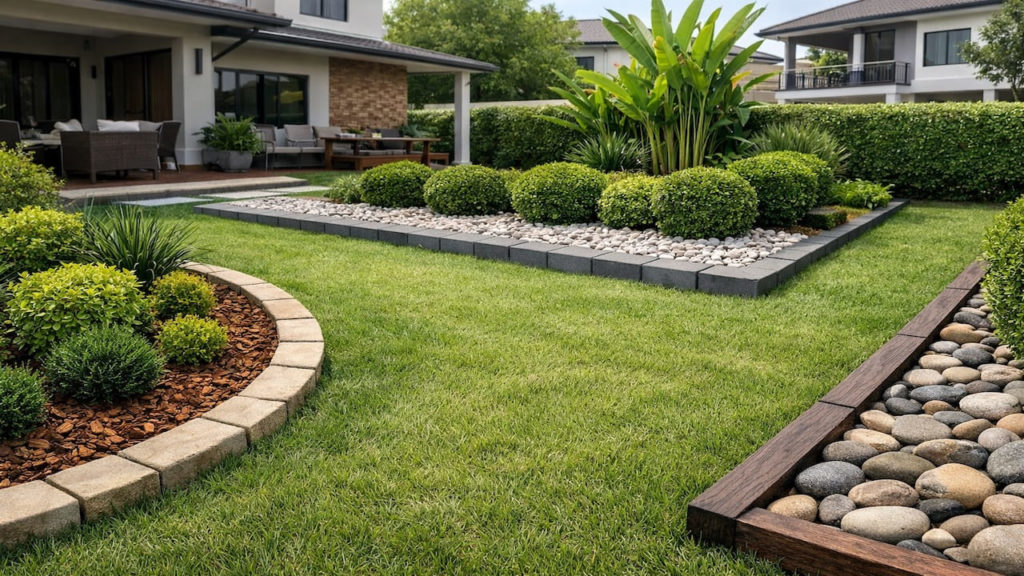
- Add gravel strip to reduce soil splashback
- Install edging curb to keep beds contained
- Extend downpipe discharge away from wall base
- Seal cracks at skirting and tile junction
- Keep plant pots off the wall for airflow
You might think stains are only cosmetic, yet damp marks often signal water staying too long, so treat early splash control as maintenance, not decor. Protect the wall.
3. Why wall stains form in humid Malaysia
Stains form when water keeps feeding dust and algae and Malaysia humidity stops surfaces from fully drying.
Walls get dirty when runoff carries soil, tannins from leaves, and fine silt, then leaves them behind as the water evaporates. During monsoon bursts, dirty runoff dries into rings—then humidity feeds regrowth. In shaded porch lanes, algae and mold build a thin film that looks like permanent dirt. Biology.
- Overflow gutters streak walls during heavy storms
- Aircon drip lines wet the same patch daily
- Flat paving traps puddles against wall edges
- Leaf tannins stain paint after wet composting
- Shade reduces drying and grows green algae
People blame cheap paint, but even premium coatings fail when damp repeats, so focus on moisture source control first. That is the lever.
4. How to fix stains without full repaint
Fix stains by removing damp and sealing entry points so the wall stays clean through wet season cycles.
Start with gentle cleaning and drying days, then lock in drainage and airflow—Malaysia heat helps when water is not trapped. Use the least aggressive method that works. Steady progress.
- Clean wall with mild detergent and soft brush
- Rinse from top down to avoid streaking
- Dry area fully before sealing any cracks
- Apply breathable sealer on porous masonry zones
- Redirect runoff with small channel along paving
Some insist repainting is faster, but paint over damp fails and peels, so dry and seal first, then repaint only if needed. Smart order.
5. FAQs
Q1. Are wall stains always caused by rain splash?
Not always. Rain splash is common, but aircon drip lines, leaking pipes, and rising damp can create similar marks in Malaysia humidity. Follow the moisture pattern.
Q2. How can I tell if it is mold or just dirt?
Mold and algae often look green or black and feel slippery when wet. Dirt usually wipes off more evenly, while mold returns quickly in shaded damp areas.
Q3. Should I use bleach on exterior walls?
Bleach can lighten stains but it may damage finishes and plants. Stop the water source first for lasting results then use the gentlest cleaner that works.
Q4. What is the best way to stop splashback near soil beds?
Use a gravel strip and a clean edging line to keep soil from washing onto paving. Keep beds slightly higher than the path so runoff does not cross the wall base.
Q5. When should I call a professional?
If stains appear inside the house, if paint bubbles keep growing, or if cracks widen after storms, get an inspection. Structural damp can hide behind finishes.
Pro’s Tough Talk

I’ve been on site for 20+ years and handled hundreds of jobs, and Malaysia wall stains always start with one thing: water staying where it should not. Period.
3 causes I keep seeing: gutters spilling like a broken jug, downpipes dumping at the wall, and soil beds acting like a mud cannon in every storm. Same movie.
Do 3 steps now: clear the gutters, move the discharge, and add a gravel splash zone. Then let the wall dry properly. Adult move.
Don’t blame yourself and don’t call every contractor a villain, but repainting without fixing water is throwing money at stains. The structure will win every wet season.
Two relatable moments: you scrub on Sunday and by Wednesday the streaks return, and you smell that damp funk near the door at night. Like polishing shoes while standing in a puddle. Congrats.
Summary
Wall stains look cosmetic, yet they usually trace a repeat water path from gutters, downpipes, soil splash, or trapped damp in humid Malaysia. Follow the water.
If marks return within a week, stop splashback and improve drainage before repainting. If you see indoor damp or widening cracks, treat it as a moisture problem, not a cleaning problem.
Control water at the base and the stains stop early then read your drainage and wet season maintenance guides to keep the whole entry clean.