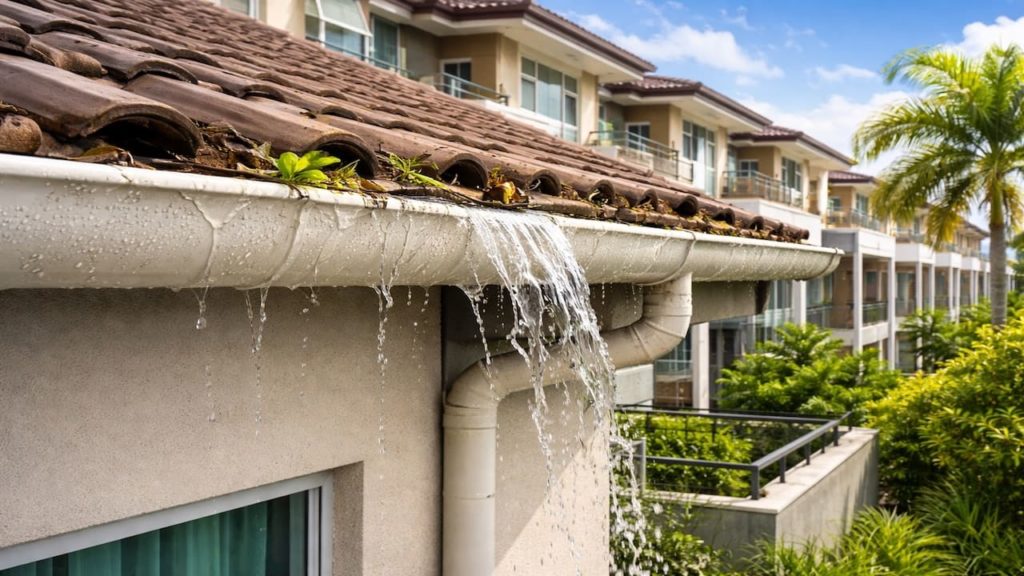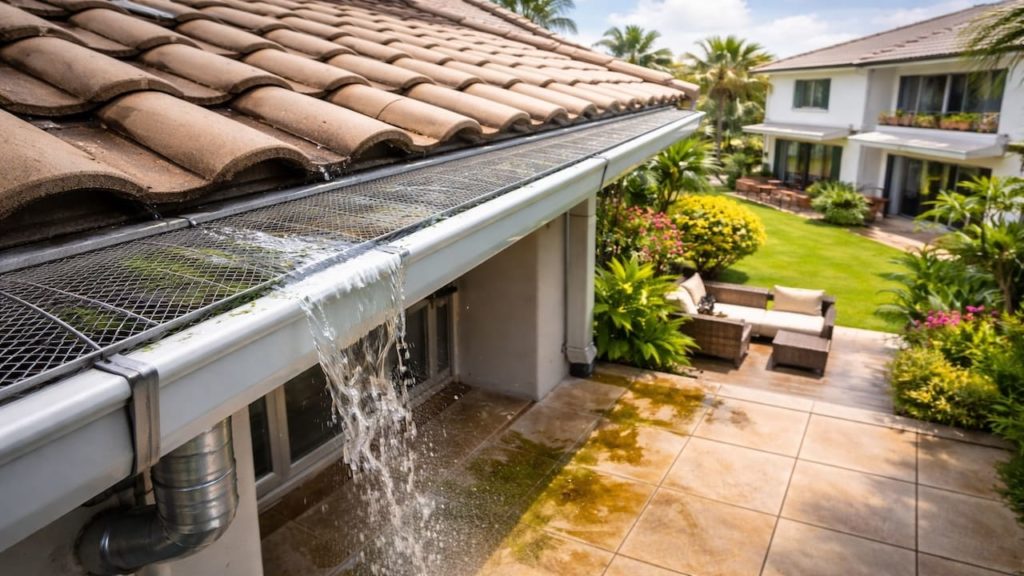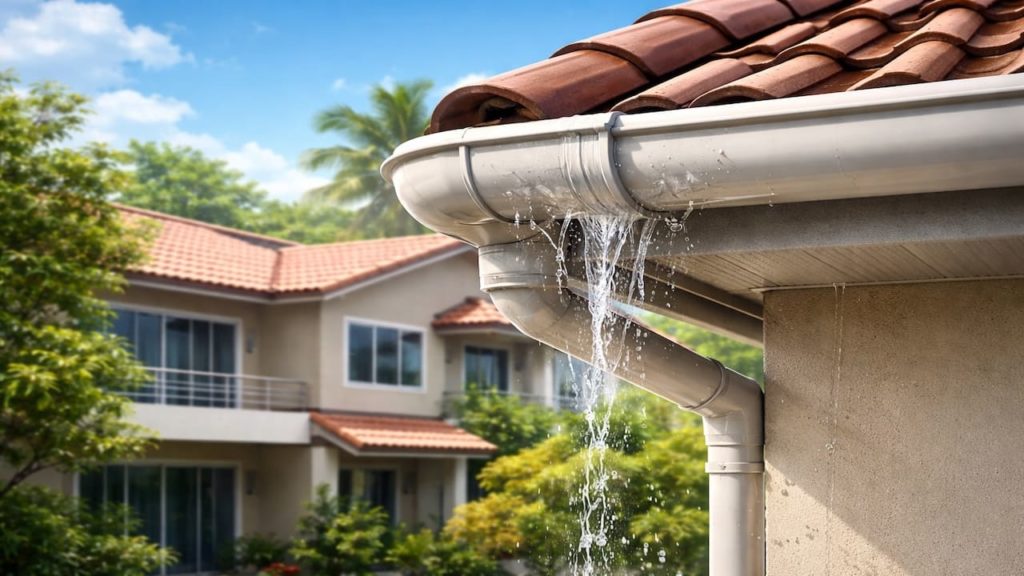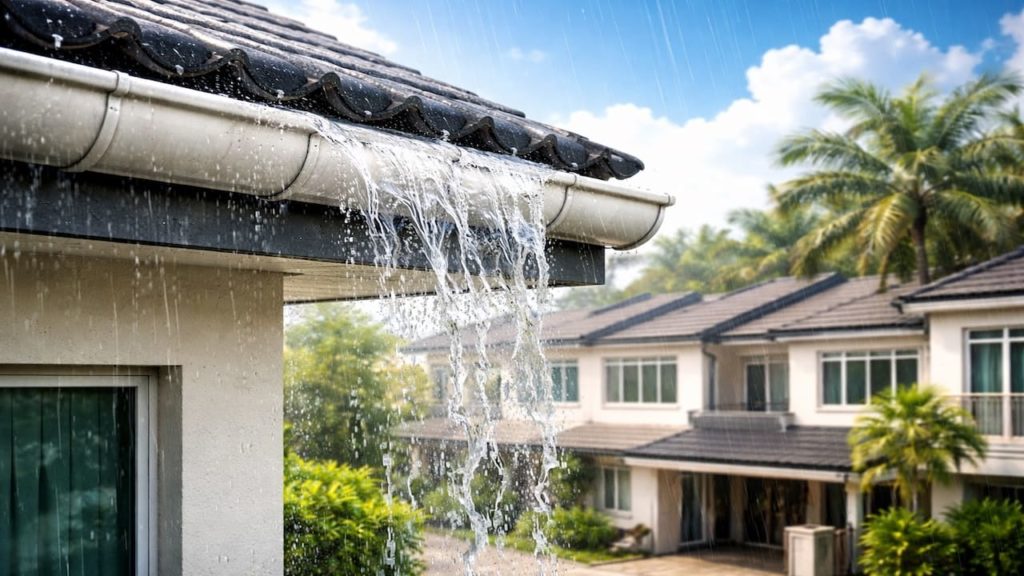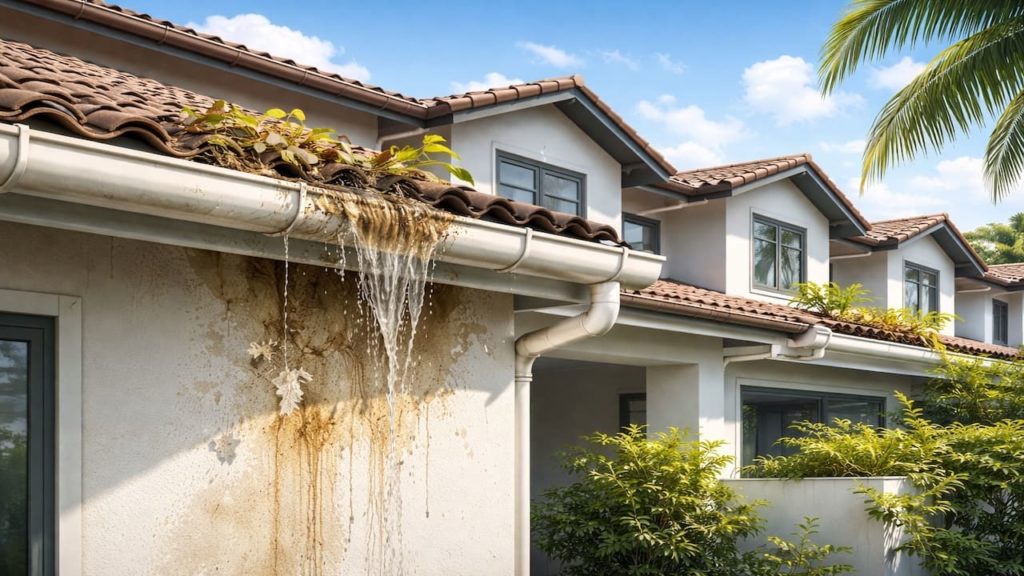
You searched because gutter overflow is staining your wall paint, and every Malaysia downpour leaves a darker patch that makes the house look older.
In hot humid weather, a few minutes of overflow can soak plaster and paint edges, then slow drying turns it into peeling, algae, and that damp smell. Nuisance.
In this guide, you’ll learn how to trace the overflow source and stop paint damage early using simple checks that fit condo balconies, terrace houses, and landed homes.

Hi, I’m Ken. I write practical home guides for Malaysia—no fluff, just what works.
I hold a formal building design qualification and have spent about 20 years on job sites across hundreds of projects. My goal is simple: help you avoid costly mistakes with clear, safe steps—a quick way to decide what to do next.
1. Gutter overflow stains paint: 5 checks
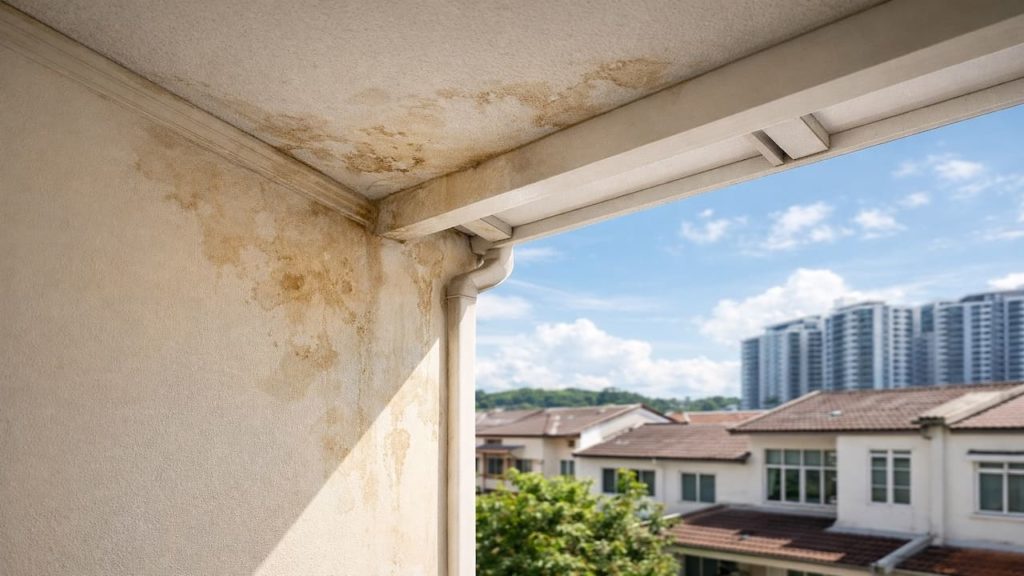
Wall stains usually come from repeat overflow at one exact point and you can find it by matching the stain line to the roof edge above. Pattern.
Malaysia rain often hits in hard bursts, and wind can push splash sideways—so the stain may sit slightly offset from the real gutter failure point.
- Match stain line to gutter corner above
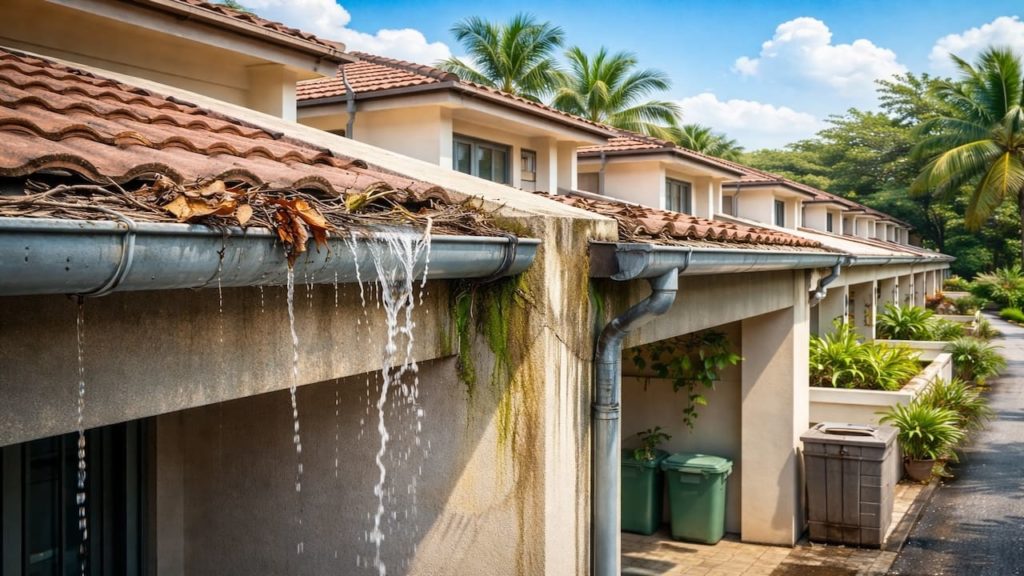
- Check outlet mouth for compacted grit plug
- Inspect first elbow for hidden sludge ring
- Look for pooling marks inside sagging section
- Watch downpipe discharge strength during pour test
You might think repainting is the fix, but paint is the victim, not the cause. Stop the overflow first, then the stain stops growing—same logic.
2. Prevent peeling walls and damp patches
Prevent peeling by reducing wetting time on the same wall zone so the surface can dry between storms and paint keeps its bond. Control.
In Malaysia humidity, shaded walls dry slowly, and splash keeps the lower wall damp, which feeds algae and turns small stains into broad dull patches—fast.
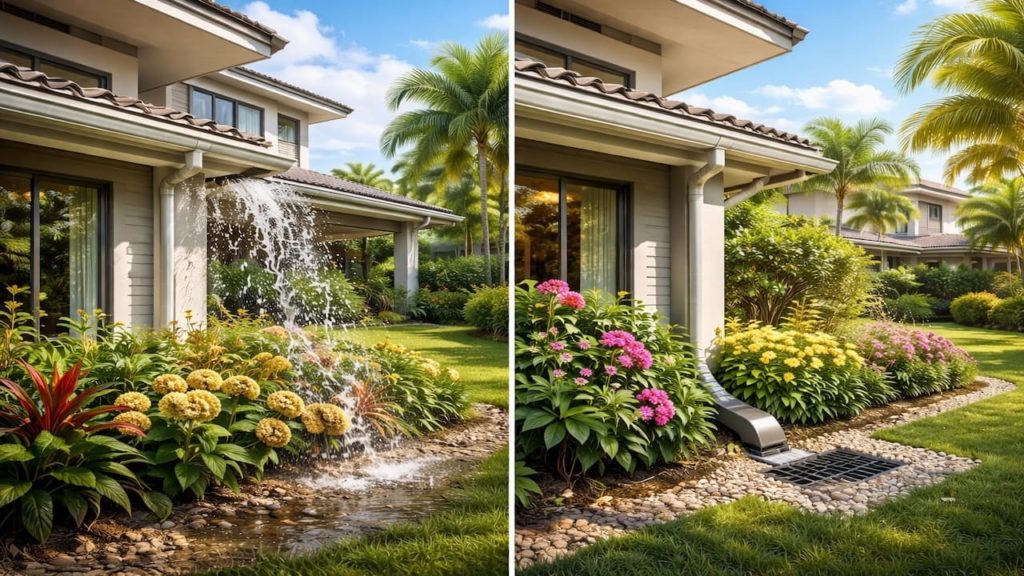
- Extend downpipe outlet away from wall base
- Add gravel strip at splash impact zone
- Clear ground drain to stop backflow pooling
- Clean algae film to restore wall drying
- Dry wall using airflow and daytime sunlight
You may say the wall just needs a stronger paint system, and that is true later. But without controlling runoff, even premium paint will peel again.
3. Why overflow stains paint fast in humid Malaysia homes
Overflow stains paint because moisture enters tiny cracks then stays trapped behind the film, and humid air slows evaporation. Physics.
When gutters back up, water level rises and spills over the lip or behind the back edge, wetting the same fascia and wall seam—again and again.
- Check outlet clog signs after rain stops
- Check elbow restriction using controlled pour test
- Check bracket looseness causing gutter low spot
- Check seam weep lines near end cap
- Check roof valley runoff hitting one section
Some people blame “too much rain” and give up, but overflow is usually a flow and slope issue you can correct. Fix the path, protect the paint.
4. How to stop overflow and protect wall paint
Stop stains by restoring discharge first then controlling splash direction so the wall dries normally and damp patches stop spreading. Priority.
Work only on dry days, because Malaysia tiles and ladders get slippery, and rushing in wet weather creates accidents and half-finished repairs—bad trade.
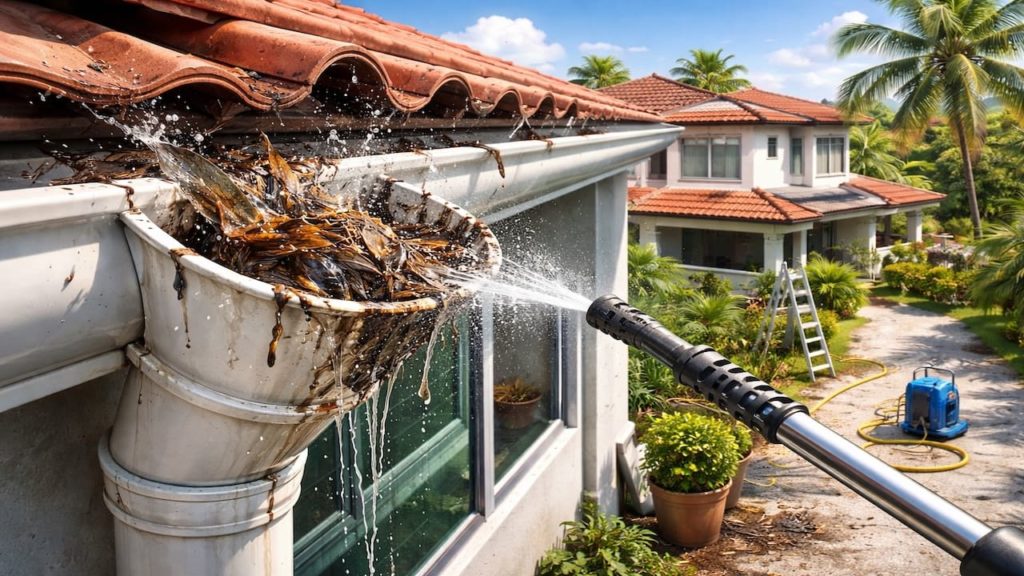
- Do controlled pour test near outlet section
- Scoop debris from outlet and corner pocket
- Open elbow joint and remove packed sludge
- Tighten brackets to remove pooling low spot
- Retest discharge and confirm strong clean flow
You might insist sealing is enough, and sometimes it is for a tiny seam weep. But if water level still rises, sealing only masks it, and stains return.
5. FAQs
Q1. How do I know the stain is from gutter overflow, not a roof leak?
If the stain sits near the roof edge and worsens right after storms, gutters are a prime suspect. Look for splash marks on soffits and wet fascia lines.
Q2. Can overflow cause paint to peel even if it happens for minutes?
Yes, repeated short wetting is enough when drying is slow in humid weather. The wall never fully resets, so paint loses adhesion over time.
Q3. What should a basic gutter cleaner check to protect my paint?
Ask them to confirm outlet and elbow flow, not just scoop visible debris. Strong discharge is the best proof that overflow pressure will not keep soaking your wall.
Q4. Should I wash the wall stains before fixing the gutter?
Light cleaning is fine, but do not scrub hard while the source continues. Fix runoff first, then clean algae and let the wall dry for several sunny days.
Q5. When is repainting safe after I fix the overflow?
Repaint only after the wall dries fully and the stain stops expanding after a storm. If the substrate feels cool and damp, wait longer.
Pro’s Tough Talk

I’ve been on site for 20+ years and handled hundreds of exterior jobs, and wall paint stains from overflow are the same movie every rainy season. You ignore the drip, then the wall pays.
Cause is 3 buckets: the outlet gets packed with sand grit, the first elbow turns into a sludge choke, or brackets loosen and create a dip that pools. Steps are 3 too: prove discharge with a controlled pour, clear outlet and elbow, then tighten support and redirect splash away from the wall. Everybody has the “it will dry tomorrow” moment, and everybody has the “why does it smell musty” moment.
Here’s the deal, paint cannot win against repeated wetting. Water is like a bored kid flicking a cup at the same spot, and damp spreads like sweat under a cap in Malaysia heat. One jab: the guy who repaints first is selling makeup for a leak. Fix the flow, or keep paying to repaint and pretend.
Summary
Overflow stains paint because water repeatedly hits the same wall zone, then humidity slows drying until algae and peeling begin. The stain pattern usually points back to one gutter corner or outlet.
Start with flow: clear outlets and elbows, remove low spots by tightening brackets, and ensure discharge drains away from the wall base. Then clean and dry before repainting.
Do the controlled pour test this week and stop the overflow source—one strong discharge path protects your wall finish and keeps damp patches from turning into bigger repairs.